Papillary Thyroid Cancer Treatment
In Metairie, LA and Jersey City, NJ
Kandil Thyroid and Parathyroid Institute offers comprehensive care for papillary thyroid cancer in Metairie, LA and Jersey City, NJ. This condition is the most common form of thyroid malignancy and typically responds very well to modern medical intervention. Our team focuses on accurate diagnosis and personalized treatment paths to ensure the most effective results for every patient.


Understanding Papillary Thyroid Cancer
Papillary thyroid cancer is a slow-growing malignancy that develops in the follicular cells of the thyroid gland. It is characterized by its tendency to stay localized or spread slowly to nearby lymph nodes in the neck. Most cases are identified early, allowing for effective management and long-term health preservation.
Common Papillary Thyroid Cancer Symptoms
Noticeable Lump in the Neck
A painless nodule or mass may be felt in the front of the neck during a physical exam or while looking in a mirror. These lumps are often the first sign that an evaluation is necessary to rule out malignancy.
Changes in Your Voice
Persistent hoarseness or other changes in the quality of your voice can occur if a growth affects the surrounding area. While often caused by other issues, unexplained vocal changes should be professionally assessed.
Difficulty Swallowing or Breathing
Larger nodules may put pressure on the esophagus or windpipe, making it feel harder to swallow food or breathe deeply. This sensation of tightness or pressure in the neck is a frequent reason patients seek care.
Swollen Lymph Nodes
Swelling in the lymph nodes of the neck that does not go away can indicate that thyroid cells are affecting the lymphatic system. This symptom is often found during a routine medical checkup or imaging.
Neck or Throat Pain
Some patients experience mild discomfort or a dull ache in the neck area that may radiate toward the ears. While less common than a painless lump, persistent pain warrants a clinical investigation.
Causes and Risk Factors
While the exact cause is often unknown, certain genetic mutations play a significant role in the development of these cancerous cells. Exposure to high levels of radiation and a family history of thyroid issues are also recognized as contributing factors in many clinical cases.
Advanced Papillary Thyroid Cancer Treatments
-
Robotic thyroid surgery to remove the tumor without leaving a visible neck scar.
-
Total thyroidectomy for complete removal of the gland in more extensive cases.
-
Neck dissection surgery to remove affected lymph nodes and prevent further spread.
-
Molecular and genetic testing to tailor the surgical approach to the specific tumor profile.
-
High-resolution ultrasound monitoring for precise tracking of nodule changes.
-
Minimally invasive ablation techniques for selected suspicious or indeterminate nodules.
Candidates for Thyroid Cancer Treatment
-
Individuals diagnosed with confirmed papillary thyroid malignancy via biopsy.
-
Patients with suspicious thyroid nodules showing high-risk genetic markers.
-
People experiencing physical symptoms such as difficulty swallowing or neck pressure.
-
Those seeking surgical options that minimize or eliminate visible scarring in the neck.
-
Patients requiring expert evaluation for nodules with indeterminate biopsy results.
Benefits of Specialized Thyroid Care
Elimination of Malignant Cells
The primary goal of treatment is to effectively remove the cancer from the body and prevent it from returning. This provides patients with peace of mind and a clear path toward long-term health and wellness.
Preservation of Neck Aesthetics
Using advanced robotic techniques allows for the removal of the thyroid without a traditional incision in the middle of the neck. This avoids a permanent surgical scar and maintains the patient’s natural appearance.
Targeted Lymph Node Management
Neck dissection ensures that any cancer spread to the lymphatic system is addressed comprehensively. This thorough approach reduces the likelihood of future recurrence in the neck region and improves overall results.
Personalized Surgical Planning
Genetic and molecular testing allows the surgical team to determine exactly how much of the thyroid needs to be removed. This avoids overly aggressive surgery while ensuring the cancer is fully addressed based on its genetic profile.
Reduced Recovery Times
Minimally invasive approaches often lead to a faster return to daily activities compared to traditional open surgeries. Patients typically experience less post-operative discomfort and a smoother transition back to their normal routines.
Why Choose Kandil Thyroid and Parathyroid Institute For Papillary Thyroid Cancer Treatment
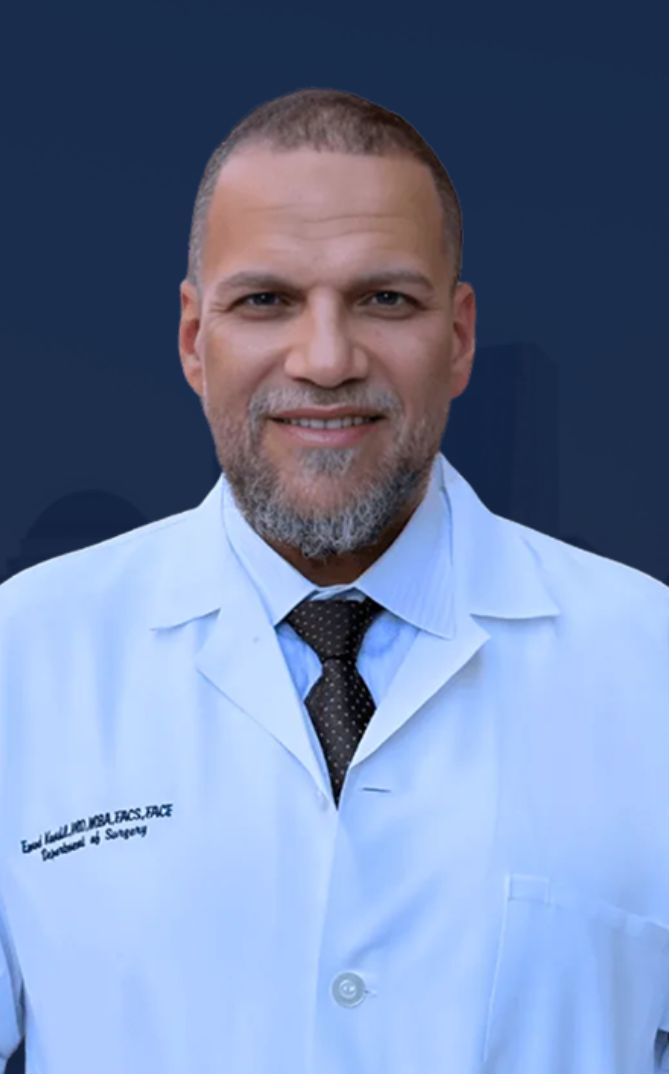
Dr. Emad Kandil, Professor of Surgery and Chief of General, Endocrine, and Oncological Surgery, leads Kandil Thyroid and Parathyroid Institute with extensive clinical experience. Our facility is exclusively dedicated to thyroid and parathyroid health, utilizing advanced technology like robotic surgery and non-thermal ablation. We prioritize a patient-centric approach that balances medical safety with cosmetic outcomes for every individual.
Testimonials

- stephanie
Meet Our Provider